World Environmental Health Day: Teaching Students the Connection Between Environment and Well-Being
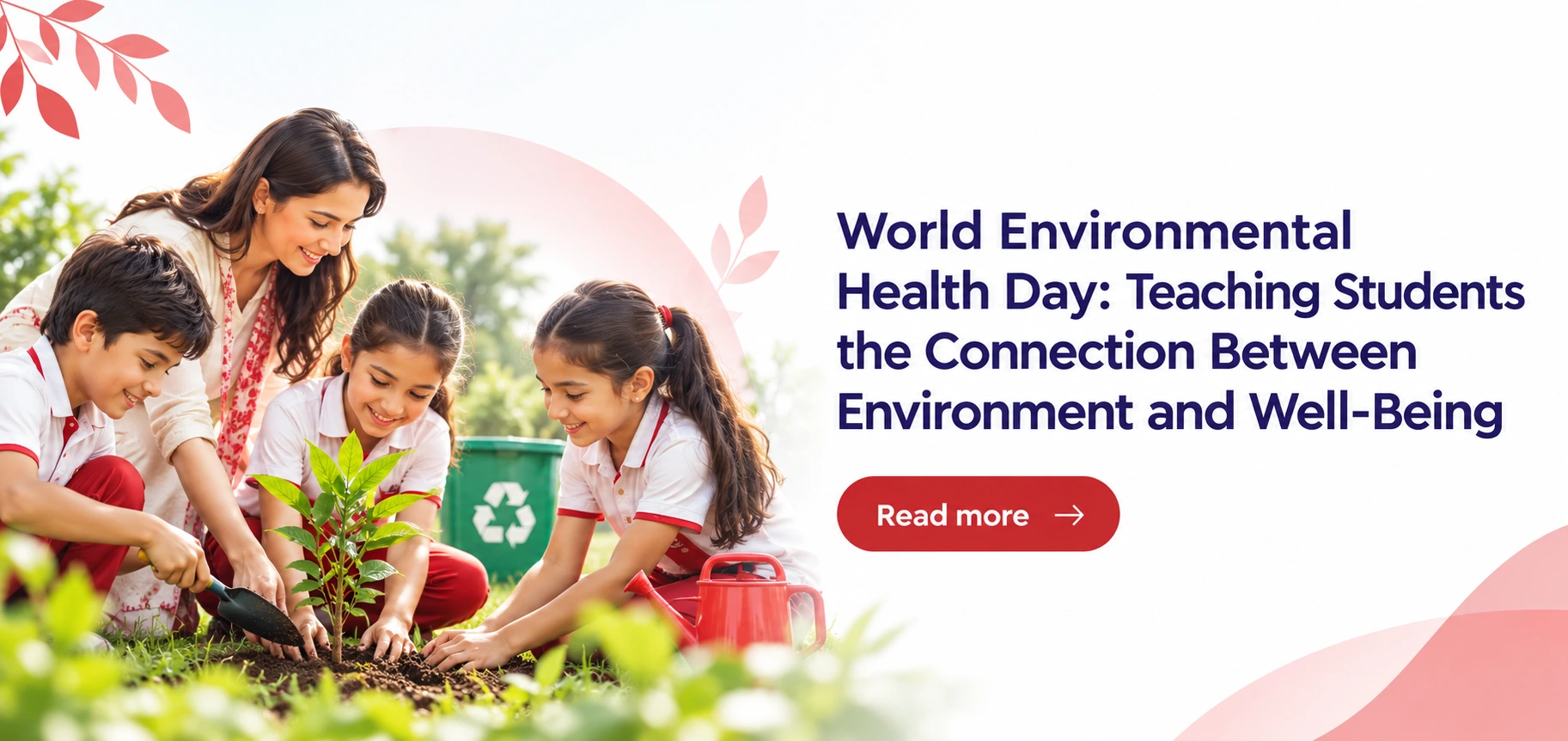
Table of content
- Understanding why environmental health matters to every student
- Helping children see how their surroundings affect their health
- Building simple habits that protect people and the planet daily
- Creating safer, cleaner and more supportive learning spaces
- Making environmental learning practical, hopeful and enjoyable
- The shared role of schools, teachers, parents and communities
- Frequently asked questions
Introduction
World Environmental Health Day gives schools an opportunity to help students understand how their surroundings influence everyday health. Clean air, safe water, hygienic spaces and access to nature can affect how children breathe, learn, move and feel. These connections may seem complex, but teachers can explain them through familiar examples and simple activities. Students do not need frightening messages or difficult scientific terms. They need clear guidance that shows how small actions can make a difference. By learning to save water, reduce waste and care for shared spaces, children can support their own well-being while developing respect for the environment.
Understanding Why Environmental Health Matters to Every Student
World Environmental Health Day gives schools a meaningful opportunity to help children understand that their surroundings are closely linked to how they feel, learn and grow. Air quality can affect breathing. Safe drinking water helps the body stay healthy. Clean classrooms reduce exposure to germs, while trees and open spaces can support movement and calmness. These ideas may sound large, but students experience them in ordinary life every day. Good environmental health education turns these experiences into useful lessons without frightening children. It encourages them to notice problems, ask sensible questions and take small positive actions. When teachers explain the connection clearly, the topic becomes personal. Students begin to see that caring for nature is also a practical way of caring for themselves, their friends and their wider community.
Helping Children See How Their Surroundings Affect Their Health
Students understand a subject better when it feels familiar. A teacher can ask how students feel in an airy classroom compared with a hot, poorly ventilated room. They can discuss why clean water matters or why smoke may make breathing uncomfortable. Such conversations explain the impact of the environment on health in simple language.
The lesson should cover more than physical illness, noise, overcrowding, extreme heat and a lack of green space can also influence concentration, sleep, mood and stress. In contrast, clean surroundings, natural light and safe outdoor areas can help children feel more comfortable and ready to learn. This wider view of environment and student well-being shows that health includes the body, mind and emotions.
Building Simple Habits That Protect People and the Planet Daily
Students need simple, realistic actions. They can switch off unused lights, close taps, use both sides of paper and carry a reusable bottle. Separating waste and avoiding unnecessary plastic can become part of the class routine.
Teachers should explain each action. Saving water protects an essential resource. Reducing waste keeps the school cleaner and lowers the amount sent to dumping grounds. Walking or cycling safely, where practical, can support fitness and reduce pollution. Understanding a habit encourages students to continue it at home.
These actions should not become a competition based only on rewards. Children may have different resources and family routines. Encouragement works better than blame. The goal is to build lasting environmental awareness among students through regular practice, thoughtful choices and shared responsibility.
Creating Safer, Cleaner and More Supportive School Environments
A healthy school environment begins with basic conditions. Students need clean drinking water, hygienic toilets, good ventilation, safe waste disposal and classrooms free from harmful smoke or strong chemical fumes. Regular cleaning matters, but schools should also choose cleaning products carefully and store them away from children.
Outdoor areas also matter. Shade can help during hot weather, while plants make the campus pleasant. Safe play areas encourage movement and interaction. Schools can inspect collected water that may attract mosquitoes and create plans for extreme heat or poor air quality.
Students can identify concerns during discussions or a campus walk. Adults must remain responsible for safety checks and repairs. Listening helps children feel valued without transferring adult duties to them.
Making Environmental Learning Practical, Hopeful and Enjoyable
Environmental education for children becomes memorable when it moves beyond a textbook. Students can observe how much water a dripping tap wastes, record classroom temperatures or study the types of waste produced during lunch. A small garden can introduce soil, insects, food and biodiversity in a hands-on way. Even a windowsill plant can start useful conversations.
Lessons should suit the age group. Younger children may enjoy stories, drawings and sorting games. Older students can conduct simple surveys, compare results and suggest improvements. Science can explore air and water, mathematics can help students display collected data and language classes can support posters or short speeches.
Most importantly, teachers should balance honesty with hope. Constant messages about disasters can make children anxious or powerless. A better approach acknowledges real challenges and then highlights achievable solutions. Students should leave the lesson believing that informed choices and teamwork can make a difference.
The Shared Role of Schools, Teachers, Parents and Communities
Schools can introduce ideas, but children learn best when adults follow the same values. Teachers can model responsible use of paper, water and electricity. School leaders can respond openly when students raise concerns. Parents can reinforce simple habits such as avoiding litter, keeping drinking water safe and spending time outdoors.
Community participation adds local meaning. Local groups may safely organise a supervised clean-up or tree-care activity. These experiences show students that environmental responsibility is shared rather than placed on one person.
World Environmental Health Day can begin the conversation, but one celebration is not enough. Schools can revisit the ideas throughout the year and connect them with daily decisions. Short reminders, class projects and visible improvements often have more value than a single elaborate event.
Helping Young People Build a Healthier Future Together Today
The strongest lessons help children connect knowledge with everyday life meaningfully. When students understand how air, water, cleanliness, climate and green spaces influence them, caring for the planet feels relevant rather than distant. Environmental health education should give them useful knowledge, manageable actions and confidence to speak up about genuine concerns.
Want to see how learning comes to life at NewAge World School? Academic admission are now open. Connect with our admissions team to learn more about our learning environment, curriculum and facilities. Book a school tour today and experience our campus in person.
Frequently Asked Questions
How can families support learning at home each day?
Families can model sensible use of resources, reduce unnecessary waste, maintain clean surroundings and discuss how local conditions affect everyday health.
What can students do to keep their school healthier?
They can use bins correctly, avoid wasting water, keep shared areas tidy, care for plants and report leaks, smoke or unsafe waste to an adult.
How can teachers make these lessons easy to understand?
Teachers can use familiar examples, short stories, campus observations and simple activities. The message should be practical, age-appropriate and hopeful.
Why should schools teach students about this subject?
Students make daily choices about water, waste, energy and cleanliness. Clear guidance helps them understand those choices and develop responsible habits early.
What is the purpose of this international observance?
It draws attention to how surroundings influence human health and encourages communities to improve the conditions in which people live, study and work.

NewAge World School











Leave a Reply
Your email address will not be published. Required fields are marked *
Comments
No comments available